Crafts for School Amp: Voice Levels Anchor Charts
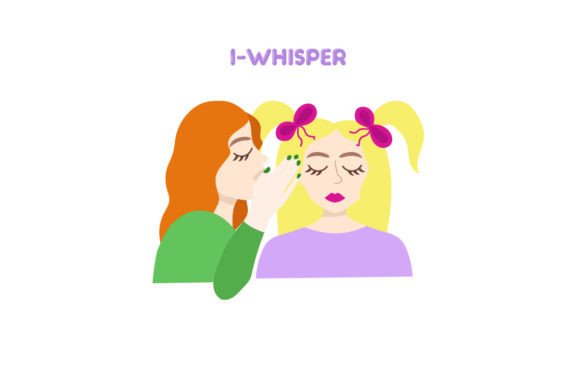
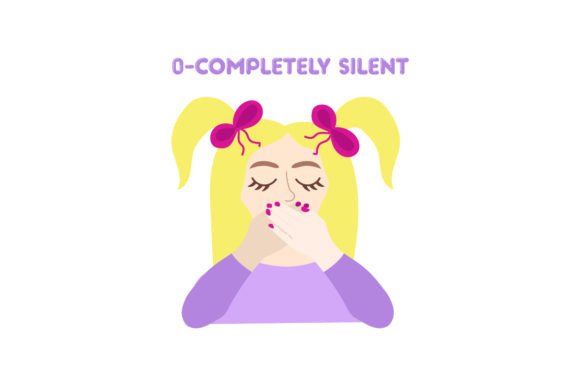
As a graphic designer who frequently bridges the gap between digital aesthetics and tangible classroom needs, my initial impression of Learning Voice Levels - Anchor Charts - 0 was one of immediate functional clarity. In the world of School Amp resources, visual noise is the enemy; teachers need assets that communicate instantly without overwhelming young learners. This specific asset strikes a balance that is often hard to find: it feels approachable and friendly, yet maintains the structural integrity required for educational Crafts and decor. The mood it creates is calm and organized, utilizing a style that suggests modern pedagogy rather than outdated clipart. For a client project—say, a boutique educational brand launching a new line of classroom management tools or an Etsy seller curating a "Calm Classroom" collection—this design serves as a foundational element that elevates the entire visual identity.
Integrating the Asset into Real-World Brand Projects
Imagine I am working with a small business owner who specializes in handmade teacher planners and classroom organization kits. They need a cohesive look for their upcoming fall launch. Learning Voice Levels - Anchor Charts - 0 fits seamlessly into this narrative. It isn't just a standalone image; it is a versatile graphic design asset that can be adapted across various mediums. In terms of brand identity, the clean lines and clear typography of this chart help establish trust. When a teacher sees a polished voice level chart, they subconsciously attribute that same level of quality to the rest of the brand's products.
In practical application, this design shines in packaging design and product labels. If my client is selling a "Quiet Corner" kit, this chart can be resized and printed as a sticker to seal the packaging, acting as both a functional label and a preview of the contents. For social media graphics, specifically Instagram posts or Pinterest pins, the asset provides a strong hero graphic. Because the design likely comes with a Transparent PNG, it can be layered over textured backgrounds or soft pastel gradients common in the education niche, creating depth without sacrificing readability. For Cricut projects, the inclusion of an SVG File is critical. It allows the user to cut precise vinyl decals for laminating or creating durable wall art, ensuring that the curves and text remain sharp even when scaled up for a large bulletin board display.
Strategic Placement and Visual Hierarchy
Understanding where Learning Voice Levels - Anchor Charts - 0 works best is key to maximizing its value. It excels in large layout areas where it can serve as a primary focal point. In a printable design intended for wall mounting, the hierarchy is clear: the voice levels are distinct, allowing students to quickly identify the expected behavior. It works beautifully in themed collections, perhaps paired with matching timer graphics or seating chart templates to create a comprehensive design bundle. As a decorative accent in a digital teacher planner, it breaks up text-heavy pages and adds visual interest.
However, professional judgment dictates knowing where to use caution. This asset should be used carefully in very small sizes, such as favicons or tiny footer icons, where the details of the voice levels might blur. It may not be suitable for crowded layouts where multiple competing elements fight for attention; the chart needs breathing room to function effectively. Furthermore, if a project requires a strictly minimalist or corporate aesthetic, the playful nature of this illustration might clash. It is best reserved for environments that embrace warmth and approachability, rather than stark, high-contrast professional branding.
Impact on Readability and Audience Engagement
The true test of any educational digital product is its impact on readability and user engagement. Learning Voice Levels - Anchor Charts - 0 appears designed with cognitive load in mind. The visual trust it engenders comes from its consistency; the icons or indicators for each voice level are uniform, helping students recognize patterns quickly. This consistency is vital for visual hierarchy. In a busy classroom, a student shouldn't have to decipher complex graphics; they need instant recognition. This asset supports that by likely using clear distinctions between levels, enhancing the overall impression of the design project as thoughtful and user-centric.
From a marketing perspective, using such a polished asset improves audience engagement. Parents and teachers browsing an Etsy product listing or a print-on-demand store are drawn to materials that look professional. A high-quality anchor chart suggests that the creator cares about the end-user experience. This emotional appeal can be the difference between a bounce and a sale. It transforms a simple clipart element into a tool for classroom management, adding tangible value to the commercial design offering.
Essential Designer Notes for Commercial Use
Before integrating Learning Voice Levels - Anchor Charts - 0 into a final client deliverable, there are several technical checks every designer must perform. First, test the design in black and white. While color is engaging, many school printers are monochrome, and the design must remain legible without hue differentiation. Check the contrast on both light and dark backgrounds; if the asset is a PNG design, ensure the transparency is clean and doesn't leave jagged edges when placed on colored paper or digital backdrops.
Preview the file at various sizes. Does the text remain crisp when blown up to 24 inches for a wall poster? Does it hold up when shrunk for a social media thumbnail? If you are using the SVG design or EPS formats, open them in your vector software to confirm editability. Can you change the colors to match a specific brand palette? Is the text outlined or editable? These factors determine whether the asset is a rigid image or a flexible creative design component.
Additionally, compare this asset against other typography styles in your project. Does it pair well with your chosen serif font for headings or your handwritten font for notes? Ensuring stylistic cohesion is part of maintaining a modern design standard. Finally, and most importantly, review the licensing terms. Confirm that the commercial license covers your intended use, whether it's for a sublimation design on mugs, a t-shirt design for staff, or a Canva template sold to other educators. Never assume; always verify that the DXF and other included formats are cleared for the specific small business branding goals you are targeting. By treating Learning Voice Levels - Anchor Charts - 0 not just as a download but as a strategic component of a larger creative marketplace offering, designers can ensure their final output is both beautiful and commercially viable.