Review: Balance Scale - Watermelon and Apple Design
As a designer who spends more time staring at stitch maps than most people care to admit, I approach every new machine embroidery design with a mix of curiosity and skepticism. We have all downloaded a cute graphic only to realize it turns into a bird's nest of thread once the needle hits the fabric. That is why I took a close look at the Balance Scale - Watermelon and Apple file before committing it to any client projects or personal handmade products. This isn't just about whether the image looks cute on a screen; it is about how it performs under the pressure of high-speed stitching and whether it holds up as a professional embroidery project.
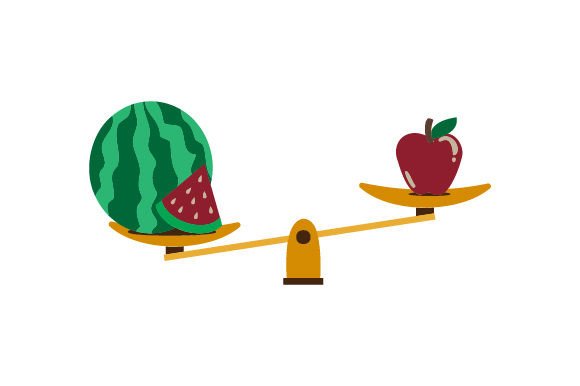
My first impression of the Balance Scale - Watermelon and Apple design is that it strikes a charming balance between whimsical and structured. The concept of a scale weighing two distinct fruits immediately suggests themes of fairness, comparison, or perhaps a playful take on healthy eating versus treats. Visually, the layout feels solid. The central beam of the scale provides a strong horizontal anchor, while the hanging baskets containing the watermelon and apple create vertical interest. For those of us in the School Amp and Crafts sector, this kind of imagery is gold. It fits perfectly into back-to-school collections, teacher appreciation gifts, or nursery decor where playful learning is the vibe.
Real-World Application: The Tote Bag Test
To truly evaluate this design, I imagined a specific real-life scenario: creating a custom embroidered tote bag for a local farmer's market vendor. She wanted something that communicated fresh produce and balance without being overly literal. The Balance Scale - Watermelon and Apple seemed like the perfect candidate. When visualizing this on a canvas tote, the shape of the design works well within a standard 5x7 or 6x10 hoop. The width of the scale allows it to span the center of the bag nicely, acting as a focal point without getting lost in the texture of the fabric.
However, the success of this finished product relies heavily on how the details translate to thread. The watermelon slice, typically represented with seeds and a rind, needs careful attention to stitch density. If the design relies too heavily on tiny satin columns for the seeds, they might pull or distort on a woven canvas. Conversely, if it uses a fill stitch, we need to ensure the underlay is sufficient to prevent the fabric from peeking through. The apple, usually a simpler shape, should provide a nice contrast in texture. In a commercial embroidery setting, this contrast is what makes a design pop. It tells the customer that thought went into the digitizing process, not just the drawing.
Performance Across Different Fabrics
One of the biggest challenges for any Etsy seller or small shop owner is versatility. Can this embroidery file handle different materials? I evaluated how the Balance Scale - Watermelon and Apple would perform on various substrates.
- Sweatshirts and Hoodies: On fleece or French terry, this design could shine as a chest logo. The bulk of the fabric supports heavier stitching, but you must watch out for the "sinking" effect where stitches disappear into the pile. A dense foam stabilizer would be essential here to keep the scale beams crisp.
- Baby Embroidery: For onesies or bibs, the scale motif is adorable. However, baby skin is sensitive. You must ensure there are no long jump stitches on the backside that could irritate the skin, and the thread coverage on the front must be complete so the rough backing doesn't show through.
- Textured Towels: Kitchen towels are a popular item for this type of Crafts design. The looped texture of a waffle weave can distort small details. The hanging baskets of the scale might need to be slightly enlarged or simplified to maintain clarity on terry cloth.
- Caps and Hats: Stitching on a curved surface is tricky. The horizontal beam of the scale might need to be arched slightly in the digitizing software to appear straight once stitched on a cap. Without this adjustment, the design could look warped.
Critical Considerations for Professional Results
While the aesthetic appeal of the Balance Scale - Watermelon and Apple is high, there are technical areas where caution is required. As a reviewer, I always look for potential failure points. The connection points where the baskets hang from the scale beam are critical. If these are rendered as single running stitches, they will break easily during washing or wear. They need to be thick enough to withstand tension. Similarly, the tips of the watermelon slices and the stem of the apple are high-risk areas for fraying if not properly secured with tack-down stitches or tight satin borders.
Color choice is another factor that dictates the success of this custom apparel or accessory. The design naturally calls for vibrant reds and greens. However, if you are stitching on a dark navy sweatshirt, you need to verify that the red thread has enough opacity. Sometimes, a lighter underlay or an additional pass is needed to make the colors sing against dark backgrounds. Testing your thread colors on scrap fabric identical to your final product is non-negotiable. Do not skip this step, especially if you are selling these as personalized gifts where returns due to poor quality can hurt your reputation.
Commercial Viability and Brand Consistency
For creative entrepreneurs and digital product sellers, the value of a design extends beyond the stitch count. It is about brand consistency and customer trust. Using a well-balanced design like this on your printable mockup listings can significantly boost buyer engagement. It shows professionalism. When a customer sees a clean, well-defined scale design on an embroidered patch or a boutique pillow cover, they associate that quality with your brand.
The Balance Scale - Watermelon and Apple also offers excellent potential for seasonal pivots. While it fits the summer fruit theme, the concept of "balance" works year-round. It could be marketed for New Year's resolutions (balancing health), teacher gifts (balancing grades), or even legal-themed novelty items. This flexibility increases the ROI of the design assets you purchase. However, always confirm the licensing terms. Just because a file comes in multiple formats like SVG, PNG, EPS, and DXF does not automatically grant commercial rights for unlimited sales. Check the specific license included with the download to ensure you can use it for commercial embroidery projects.
Final Verdict and Designer Notes
In conclusion, the Balance Scale - Watermelon and Apple is a robust contender for your embroidery library. It possesses a visual personality that is both fun and structured, making it suitable for a wide range of applications from holiday embroidery to everyday boutique merchandise. Its strength lies in its clear silhouette and thematic versatility.
Before you start stitching, here are my practical recommendations:
- Test First: Always stitch out a sample on scrap fabric of the same weight and texture as your final project.
- Check Density: Inspect the watermelon seed details. If they are too small, consider simplifying them for smaller hoop sizes.
- Stabilizer Matters: Match your stabilizer to your fabric. Cut-away is generally safer for garments that will be washed frequently, while tear-away might suffice for decorative items.
- Review Formats: Since you receive SVG, PNG, EPS, and DXF files, ensure you are importing the correct embroidery-compatible format into your digitizing or machine software. The vector files (SVG, EPS, DXF) are great for editing or creating heat transfers, but verify if a dedicated embroidery file format (like PES, DST, etc.) is included or if you need to digitize it yourself from the vectors.
- Contrast Check: View your design in black and white to ensure the shapes remain distinct without relying on color alone.
By approaching this design with a critical eye and preparing your materials correctly, the Balance Scale - Watermelon and Apple can become a staple in your product lineup, delivering high-quality results that customers will love. It is a reminder that in our craft, the difference between a good idea and a great product often comes down to the execution details.