Review: She Believed She Could Change the World
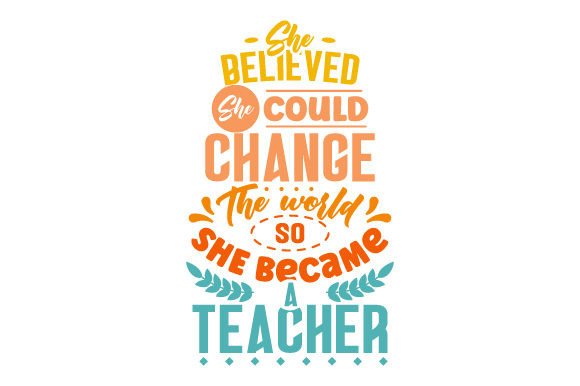
As a designer who spends more time staring at stitch simulations than actual sunlight, I approach every new machine embroidery design with a mix of optimism and skepticism. We have all seen those inspirational quotes that look fantastic on a Pinterest mockup but turn into a tangled mess of thread breaks and puckering once they hit the hoop. Today, I am taking a close look at the "She Believed She Could Change the World, so She Became a Teacher" design. This isn't just a quick glance at a thumbnail; this is an evaluation of how this specific asset holds up when you are trying to create a high-quality handmade product for a client or your own craft business.
The first thing that strikes me about this piece is its mood. It carries a weight of empowerment without being overly aggressive. The typography usually associated with this phrase tends to lean towards a blend of script and serif fonts, creating a balance between elegance and authority. For a School Amp themed project, this visual personality is spot on. It feels professional enough for a faculty lounge yet warm enough for a nursery. When I visualize this as a finished product, I immediately see it working beautifully on a canvas tote bag or a structured sweatshirt. The layout suggests a centered composition, which is classic for a reason—it draws the eye directly to the message.
Real-World Application: The Faculty Appreciation Sweatshirt
Let's move from theory to practice. Imagine a scenario where a local PTA wants to order custom gifts for ten teachers before the winter break. They want something better than a generic mug; they want wearable pride. This is where the "She Believed She Could Change the World, so She Became a Teacher" design shines as a potential sweatshirt embroidery candidate.
If I were stitching this for a real order, my first thought would be fabric selection. A mid-weight cotton blend fleece is ideal here. The design needs a stable base to maintain the integrity of the lettering. If the text includes fine script elements, a stretchy, thin jersey might cause the letters to warp over time. In this context, the design acts as a centerpiece. I would likely pair it with a simple floral motif or perhaps an apple icon if the file allows for expansion, but often, the text alone is strong enough to stand solo. For an Etsy seller, offering this as a personalized option—perhaps adding the teacher's name below in a smaller, complementary font—could significantly increase the perceived value of the item.
The versatility extends beyond apparel. I can easily picture this as a tote bag design for carrying lesson plans or grading papers. The durability of embroidery makes it superior to vinyl heat transfers for items that will be tossed into a car trunk or washed frequently. As a personalized gift, it speaks directly to the recipient's identity, fostering an emotional connection that drives customer loyalty and repeat business.
Technical Considerations for Stitching Success
However, enthusiasm must be tempered with technical reality. Before loading this embroidery file into your machine, there are critical factors to consider regarding stitch density and hoop size. Inspirational quotes often involve varying font sizes. The phrase "Change the World" might be bold and clear, but the connecting words or the word "Teacher" could feature finer details.
If you are working with a standard 4x4 hoop, you need to verify the dimensions of the design immediately. Compressing a long sentence into a small area increases the risk of "bird nesting" or thread breaks, especially if the design relies heavily on satin stitch columns for the lettering. Satin stitches look luxurious and catch the light beautifully, giving that premium boutique feel, but they require precise tension. If the design utilizes fill stitch for larger letters, ensure the underlay is sufficient to prevent the fabric from showing through, particularly if you are using dark thread on a light background or vice versa.
Another crucial element is the stabilizer. For a project like this, which likely serves as a commercial embroidery asset or a cherished keepsake, cutting corners on stabilization is not an option. On knit fabrics like sweatshirts, a cut-away stabilizer is non-negotiable to support the weight of the text and prevent distortion after washing. For woven tote bags, a tear-away might suffice, but testing on scrap fabric is always the golden rule. I strongly advise running a test stitch-out on a similar fabric weight to check for registration issues. Does the "o" in "World" close properly? Are the sharp corners of the "A" crisp, or do they look rounded and muddy?
Navigating Fabric Textures and Colors
The performance of "She Believed She Could Change the World, so She Became a Teacher" will vary significantly depending on your material choices. On a smooth, tight-weave cotton, the running stitch details (if present in outlines) will appear sharp and defined. However, if you attempt this on a textured towel or a looped terrycloth apron, those fine details might get lost. The loops of the towel can obscure small text, making the message illegible from a distance.
Color contrast is another make-or-break factor. While navy thread on a white shirt is a classic school look, consider how the design reads on heather grey or black garments. Dark fabrics often require a denser stitch count to cover the background completely, which can add stiffness to the garment. If the design is intended for a baby embroidery project, such as a onesie for a teacher's own child, you must ensure the back of the stitching is clean and not scratchy against sensitive skin. Trimming jump stitches and using a soft backing might be necessary steps to ensure comfort.
Curved surfaces present their own challenges. If you plan to use this for a custom apparel item like a baseball cap, the curvature of the front panel can distort the horizontal alignment of the text. Unless the design has been specifically digitized for caps, it is safer to stick to flat surfaces like pillow covers, tea towels, or the chest area of a jacket.
Enhancing Brand Value and Customer Trust
From a business perspective, the quality of your design assets directly impacts your brand reputation. Using a well-digitized file like this one demonstrates professionalism. When a customer receives a product where the text is legible, the edges are clean, and the fabric lies flat, they trust your small shop product quality. This trust translates into positive reviews and word-of-mouth referrals.
For digital product sellers, providing a high-quality printable mockup of this design on various textures can help buyers visualize the end result. Whether it is for a holiday embroidery gift for Christmas or a back-to-school promotion in August, the timeless nature of the quote ensures it remains relevant year after year. It fits seamlessly into categories ranging from Crafts to professional educator merchandise.
Before finalizing any commercial run, always double-check the licensing terms associated with the file. While the formats listed include SVG, PNG, EPS, and DXF, indicating versatility for both cutting machines and embroidery hoops, the rights to sell finished physical goods versus digital files can differ. Ensuring you are compliant protects your business from legal headaches down the road.
In conclusion, "She Believed She Could Change the World, so She Became a Teacher" is a potent design choice for those willing to pay attention to the details of execution. It bridges the gap between sentimental expression and professional decor. By selecting the right fabric, employing the correct stabilizer, and respecting the limitations of your hoop size, you can transform this digital file into a tangible symbol of appreciation. Whether you are an experienced decorator or a hobbyist looking to make a meaningful personalized gift, this design offers a solid foundation for creating something truly special.