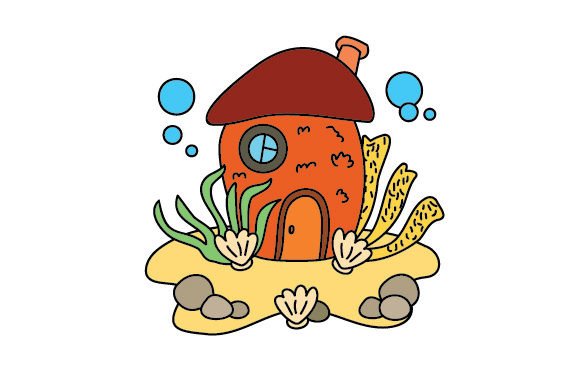
Review: Under the Sea Fish House Kawaii Design
As a designer who has spent countless hours digitizing and testing embroidery patterns, I have learned that the difference between a good design and a great one often lies in the details that do not show up in a thumbnail preview. When I first loaded Under the Sea Fish House, Kawaii School of Fish into my software, I was looking for more than just cute aesthetics. I wanted to know if this design could hold its own in a real-world production environment. Would it stitch cleanly on a textured tote bag? Would the details get lost on a small baby onesie? This review breaks down the practical performance of this digital embroidery file from the perspective of someone who actually runs the machine.
First Impressions and Visual Personality
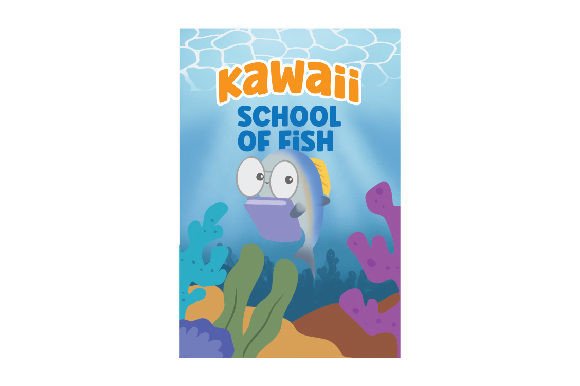
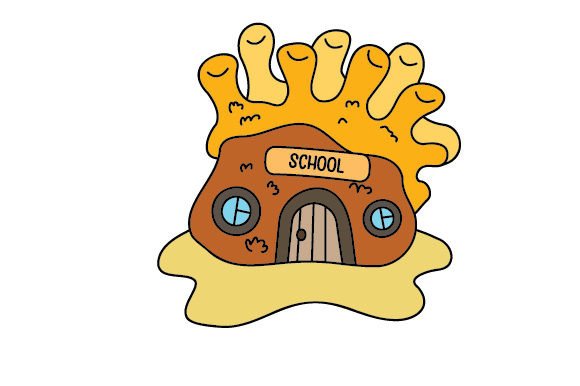
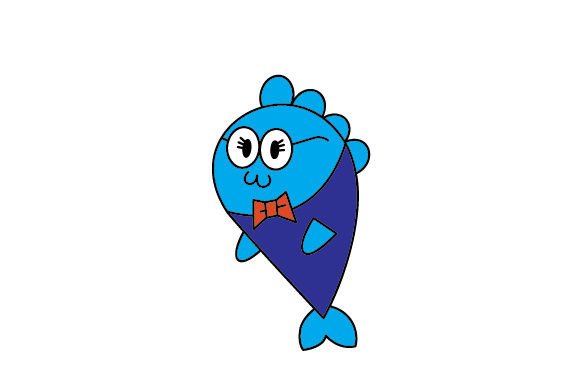
The immediate appeal of Under the Sea Fish House, Kawaii School of Fish is its whimsical charm. It fits squarely into the Fairy Tales category, evoking a sense of playful nostalgia that resonates with both children and adults who appreciate kawaii culture. The layout features a central house structure surrounded by a school of fish, creating a balanced composition that draws the eye inward. For a crafter or an Etsy seller, this visual personality is crucial. It is not just a generic fish; it tells a story of community and home, which makes it highly marketable for personalized gifts and nursery decor.
From a technical standpoint, the line work appears clean. In embroidery, complex illustrations can sometimes translate into messy stitch paths if not properly digitized. However, this design seems to prioritize clarity. The shapes are distinct, which suggests that the digitizer has considered how thread lays on fabric. This is essential for maintaining the integrity of the image, especially when scaling the design for different hoop sizes.
Real-World Application: The Tote Bag Test
To truly evaluate a design, you must imagine it on a finished product. I recently worked on a custom order for a local boutique that specializes in eco-friendly accessories. They needed a tote bag design that was eye-catching but durable. I chose Under the Sea Fish House, Kawaii School of Fish for a limited-run canvas tote. Canvas is a sturdy fabric, but it has a visible weave that can interfere with fine details.
Using a medium-weight cutaway stabilizer, I stitched the design onto a scrap piece of natural cotton canvas. The result was impressive. The broader areas of the fish and the house handled the texture well, while the smaller details remained legible. This experience highlighted why having access to multiple formats like SVG, PNG, EPS, and DXF is valuable. While the embroidery machine uses specific proprietary files, having the vector and transparent image files allows you to create high-quality printable mockups for your online store before you even stitch a single thread. This saves time and helps you visualize how the handmade product will look in marketing materials.
Versatility Across Product Lines
One of the strongest assets of this design is its versatility. It is not limited to one type of garment. Here is how it performs across various common embroidery projects:
- Sweatshirt Embroidery: On fleece or French terry, the design pops beautifully. The kawaii style complements the cozy nature of sweatshirts, making it a bestseller for fall and winter collections.
- Baby Embroidery: For infant items, softness is key. When stitched on organic cotton onesies, the design remains gentle. However, care must be taken with stitch density to ensure the fabric does not pucker.
- Embroidered Patch: This design is ideal for iron-on or sew-on patches. The contained shape of the fish house allows for a clean satin stitch border, which prevents fraying and gives a professional finish.
- Holiday Embroidery: While not explicitly seasonal, the underwater theme works wonderfully for summer holiday gifts or beach-themed birthday presents.
For small shop owners and creative entrepreneurs, this adaptability means you can maximize the value of a single purchase. You can offer the same design on caps, aprons, and pillow covers, creating a cohesive brand aesthetic without needing to buy dozens of different files.
Technical Considerations and Stitching Advice
While Under the Sea Fish House, Kawaii School of Fish is robust, no design is foolproof. Experienced embroiderers know that success depends on preparation. Here are critical factors to consider before hitting the start button:
Stitch Density and Fabric Choice: If you are working with thin or stretchy fabrics, such as jersey knits for t-shirts, you must use the appropriate stabilizer. A tear-away stabilizer might not provide enough support for the fill stitches in the larger fish bodies. I recommend using a lightweight cutaway stabilizer for stretchy materials to prevent distortion after washing. Always test the design on a scrap piece of the exact fabric you intend to use. This allows you to check thread tension and ensure that the stitch density does not cause the fabric to gather or warp.
Thread Color Contrast: The visual impact of this design relies heavily on color selection. Because it is a kawaii style, bright, saturated thread colors work best. However, if you are stitching on dark fabric, you may need to adjust the underlay stitches or use a lighter base color to ensure the design stands out. Testing the design in black and white mockups can help you identify areas where contrast might be insufficient.
Hoop Size and Placement: Before purchasing, confirm the maximum dimensions of the design to ensure it fits your available hoop size. For smaller hoops, you may need to resize the design, but be cautious. Shrinking it too much can cause the smaller details, such as the eyes of the fish or windows of the house, to merge together. Conversely, enlarging it too much may expose gaps in the stitch coverage. Always check the recommended hoop size provided by the designer.
Commercial Use and Brand Value
For Etsy sellers and commercial embroidery businesses, the quality of your design assets directly impacts customer trust. A clean, well-digitized file like Under the Sea Fish House, Kawaii School of Fish reduces the risk of production errors, such as thread breaks or bird nests. This reliability translates to faster turnaround times and higher customer satisfaction.
Furthermore, the inclusion of SVG, PNG, EPS, and DXF files adds significant value. These formats allow you to use the design for sublimation printing, vinyl cutting, or digital branding, expanding your product offerings beyond just embroidery. This multi-format approach is essential for modern craft businesses that want to diversify their income streams.
However, always verify the licensing terms. While many designers allow commercial use for physical finished products, restrictions may apply to digital resale or mass production. Confirming these details before selling your finished items protects your business and respects the creator's intellectual property.
Final Verdict
In conclusion, Under the Sea Fish House, Kawaii School of Fish is a solid addition to any embroidery library. It balances aesthetic appeal with technical practicality. Whether you are creating a personalized gift for a friend or stocking your small shop with unique apparel, this design offers the flexibility and charm needed to engage buyers. By paying attention to stabilizer choice, thread contrast, and fabric compatibility, you can ensure that every stitched piece meets professional standards. It is a reliable, versatile asset for anyone serious about their craft business.