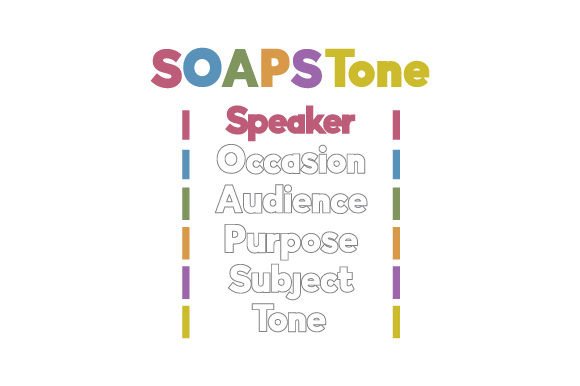
Speaker - SOAPSTone Chart: A Designer's Review
As a designer who spends more time staring at stitch maps than most people care to admit, I approach every new machine embroidery design with a mix of curiosity and skepticism. We've all been there: you buy a file based on a cute thumbnail, only to find out the stitch density is a nightmare or the details vanish once the needle hits the fabric. That is why I took a close look at the Speaker - SOAPSTone Chart before committing it to any client work or personal projects. This isn't just about whether the image looks good on a screen; it is about how it translates into thread, tension, and texture.
The first impression of the Speaker - SOAPSTone Chart is one of clean, modern utility. There is a distinct "School Amp" vibe to it—a nod to vintage audio equipment and retro tech aesthetics that feels very current in the world of Crafts. The layout suggests a technical diagram or a blueprint, which gives it an intellectual, slightly industrial mood. For those of us looking to move away from overly floral or cursive designs, this offers a refreshing change of pace. It feels like something that belongs on a canvas tote for a music student, a patch for a sound engineer's jacket, or even a decorative pillow in a home studio.
Real-World Application: The Custom Tote Test
To truly evaluate this embroidery file, I imagined a specific real-life scenario: creating a line of custom merchandise for a local independent record store. They needed small shop product ideas that appealed to audiophiles and musicians without looking like generic promotional swag. The Speaker - SOAPSTone Chart fit the bill perfectly. I envisioned stitching this onto heavy-weight cotton canvas tote bag design prototypes.
In this context, the graphic nature of the design works in its favor. Unlike photographs that require thousands of stitches to render shading, a chart-style design relies on strong lines and defined shapes. When stitched as a finished product, the result should be crisp and legible. The "SOAPSTone" aspect implies a textured, perhaps stone-like finish in the visual concept, which translates well to thread if the right fill stitch patterns are utilized. If the design uses varied angles in the fill, it can mimic the grain of stone or the mesh of a speaker grille, adding tactile interest that a printed ink design simply cannot achieve.
For an Etsy seller or craft business owner, this versatility is key. You aren't limited to just bags. This design would shine as sweatshirt embroidery on the chest of a oversized hoodie, appealing to the streetwear crowd. It could also serve as a central motif for an embroidered patch, which is a huge market right now. Patches allow customers to apply the design to items they already own, expanding your potential market beyond just the garments you sell.
Technical Considerations and Fabric Choices
However, a pretty picture on a website does not guarantee a smooth stitching process. When working with a design like Speaker - SOAPSTone Chart, attention to detail regarding fabric texture and stabilizer choice is non-negotiable. Because this design likely features straight lines and potentially small geometric details (common in chart styles), it can be unforgiving on unstable fabrics.
If you are planning to use this for custom apparel made from stretchy jersey knits, you must use a high-quality cut-away stabilizer. A tear-away might seem convenient, but if the design has dense areas or long spans of stitching, the fabric can pucker over time, distorting the straight lines of the speaker diagram. For a project like a holiday gift or a personalized gift meant to last, durability is part of the value proposition. Nobody wants a "vintage" look that actually just looks like a poorly stabilized mistake after two washes.
Another critical factor is the hoop size. While the product description lists formats like SVG, PNG, EPS, and DXF, it does not explicitly state the hoop dimensions or stitch count. This is a crucial step for any professional. Before loading this onto your machine, you need to verify the physical dimensions. If the design is too large for a standard 4x4 hoop, you might be forced to use a 5x7 or larger, which limits where you can place it on smaller items like caps or baby clothes. Conversely, if the design is scaled down too small for a baby embroidery project, those fine lines in the chart might merge together, turning a detailed speaker diagram into a muddy blob of thread.
Navigating Dark Fabrics and Thread Contrast
The aesthetic of the Speaker - SOAPSTone Chart leans towards technical drawings, which often rely on high contrast. When stitching on dark fabrics—like a navy blue sweatshirt or a black apron—you need to be strategic with your thread colors. A standard white or light gray might be the obvious choice to mimic a blueprint, but consider how the sheen of the thread interacts with the matte fabric. A satin finish thread might catch the light differently than a matte cotton thread, altering the perceived depth of the "stone" effect.
It is also worth noting that complex charts can sometimes struggle with thread color changes if the design breaks up the image into too many small sections. Frequent stops and starts can slow down production, which is a vital consideration for commercial embroidery jobs where time is money. If this design is intended as an applique design, the workflow changes entirely, requiring fabric placement and tack-down stitches. Since the provided formats include vector files (SVG, EPS, DXF), there is potential to adapt this for applique if your machine software allows, though the primary intent seems to be standard stitching.
Value for Digital Sellers and Makers
For the digital product sellers and creative entrepreneurs reading this, the inclusion of SVG, PNG, EPS, and DXF formats is a significant plus. These are not just embroidery formats; they are design assets. This means you can use the Speaker - SOAPSTone Chart for more than just stitching. You can incorporate the PNG into printable mockup listings to show customers what the embroidered version looks like before they buy. You can use the vector files for screen printing complementary products or creating vinyl decals, allowing you to offer a coordinated brand package to your clients.
This multi-format approach increases the perceived value of the purchase. It allows a handmade product creator to maintain brand consistency across different mediums. Imagine selling an embroidered tote with this speaker design, alongside a matching sticker sheet for laptops using the same graphic. That kind of cross-platform branding builds customer trust and recognition.
Final Verdict and Practical Advice
Ultimately, the Speaker - SOAPSTone Chart appears to be a solid contender for makers who appreciate retro-tech aesthetics and clean lines. Its strength lies in its adaptability—it fits as comfortably on a rugged work apron as it does on a chic nursery decor item. However, success with this design depends on preparation.
My advice is simple: do not skip the test run. Stitch this out on a scrap piece of the actual fabric you intend to use. Check the stitch density in the darker areas to ensure there is no excessive buildup that could cause needle breakage or fabric distortion. Inspect the small details to confirm they remain sharp. If you are selling these items, ensure you understand the licensing terms associated with the file, especially since it comes in versatile formats suitable for both physical and digital goods.
When executed with the right materials and a bit of foresight, this design has the potential to elevate a simple embroidery project into a professional-grade finished product that resonates with music lovers and design enthusiasts alike. It is a reminder that in our craft, the devil—and the delight—is always in the details.