Teacher Apple: A Designer's Take on School-Ready Embroidery
As someone who spends more time at the hoop than away from it, I've seen my fair share of "cute" school-themed designs that look great on a screen but fall apart under the needle. When I first pulled up the Teacher Apple file, I wasn't looking for another generic icon to fill space on a hard drive. I was looking for a design that could carry weight in a real-world embroidery project. Whether you are an Etsy seller preparing for the back-to-school rush or a hobbyist making a personalized gift for a favorite educator, the devil is always in the details. This review breaks down how this specific asset performs when moved from a digital preview to a stitched finished product.
First Impressions and Visual Personality
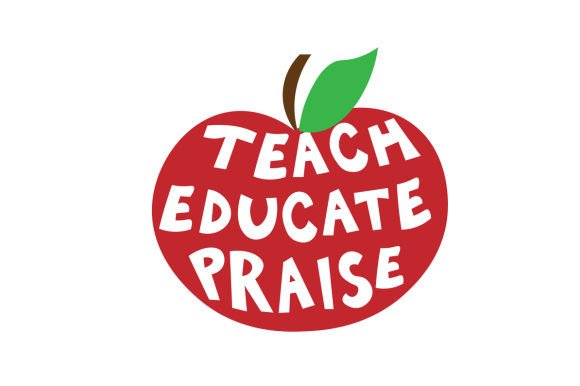
The initial mood of the Teacher Apple is warm, inviting, and undeniably classic. It avoids the overly cartoonish trap that many school-themed graphics fall into, opting instead for a cleaner silhouette that suggests professionalism while retaining charm. The layout feels balanced, with a shape that reads clearly even from a distance. For those of us working in the School Amp niche within the broader Crafts category, clarity is king. A design that looks muddy when scaled down is useless for small items like pencil cases or hat patches.
What stands out immediately is the potential for versatility. The design doesn't scream for a specific color palette, which is a huge plus. It allows me, as the decorator, to dictate the vibe. Do I want a traditional red delicious look with green leaves? Or perhaps a trendy sage green apple with gold thread accents for a boutique feel? The underlying structure of the machine embroidery design supports these variations without losing its identity. It feels less like a clip-art afterthought and more like a intentional piece of design assets ready for commercial application.
Real-World Application: The Custom Tote Scenario
To truly test the viability of any digital embroidery file, I mentally run it through a specific client scenario. Let's say a local PTA approaches me to create welcome gifts for twenty new teachers. They want something useful but personal. I decide on canvas tote bag design options. This is where Teacher Apple shines. Canvas provides a stable base, allowing the stitch definition to pop.
In this scenario, I'm envisioning the apple centered on the front panel, perhaps accompanied by the teacher's name in a complementary script font below. Because the apple shape is distinct, it anchors the composition well. If I were using this for sweatshirt embroidery on a heather grey fleece, the design's solid areas would provide excellent coverage against the textured background. The visual appeal here directly translates to product value; a crisp, well-executed apple tells the recipient that care went into the gift, boosting customer trust and brand consistency for the shop producing them.
However, the application isn't limited to bags and sweaters. I can easily see this working as an embroidered patch ironed onto a denim jacket or stitched onto a sturdy apron for art teachers. For baby embroidery, scaling it down for a onesie bib requires checking the fine details, but the core shape remains recognizable. It's a versatile workhorse for holiday embroidery gifts in August and September, fitting seamlessly into a small shop product lineup.
Technical Considerations and Fabric Challenges
While the aesthetic is strong, a professional reviewer must address the technical realities of stitching. No design is universal, and Teacher Apple requires some strategic thinking depending on your substrate. If you are planning to stitch this on a stretchy fabric like a tri-blend t-shirt, you must be vigilant about your stabilizer choice. Without proper support, the density of the fill areas could cause puckering, distorting the perfect roundness of the apple.
Similarly, curved surfaces present a challenge. If you attempt this on a structured cap, the curvature of the brim area can compress the design. You need to ensure the hoop size you select accommodates the design without forcing it into a distorted frame. For dark fabrics, the contrast is key. If the design relies on light thread colors, you may need an underlay strategy or a backing material to prevent the dark fabric from showing through the stitches, which can ruin the stitching clarity.
Small details matter immensely in commercial embroidery. If the design includes tiny leaves or a stem with fine lines, these are the first elements to suffer if the thread colors blend too much or if the stitch density is too high for the fabric texture. I always recommend running a test stitch-out on scrap fabric that matches your final product. Check the corners and the transition between any potential satin stitch borders and fill stitch areas. If the design acts as an applique design, ensure the tack-down stitches are secure enough to hold the fabric piece in place without fraying over time.
Maximizing Value for Makers and Sellers
For the craft business owner, the ultimate question is: does this design help sell products? The answer with Teacher Apple leans heavily toward yes, provided it is executed well. The recognition factor of an apple in an educational context is instant. It communicates "teacher" without needing words, which is powerful for quick-scan marketing on social media or craft fair tables. When a customer sees a high-quality embroidered apple on a pillow cover or kitchen towel, they immediately understand the theme.
This clarity enhances buyer engagement. A messy or poorly digitized design can make a handmade item look cheap, regardless of the effort put in. Conversely, a clean execution elevates the perceived value, allowing you to price your handmade product higher. It also works beautifully for printable mockup creation. Because the shape is iconic, it photographs well for online listings, helping Etsy sellers and digital product creators showcase their wares effectively.
Practical Notes for the Studio
Before committing to a production run, keep these practical steps in mind to ensure the best results with Teacher Apple:
- Test First: Always stitch a sample on the actual fabric you intend to use. Fabric texture changes how threads lay.
- Check Contrast: View your thread chart in black and white to ensure the design elements separate clearly without color reliance.
- Review Density: If the design feels stiff after stitching, consider reducing the fill density in your software if you have editing capabilities.
- Verify Formats: The product description notes you will receive SVG, Transparent PNG, EPS, and DXF files. Ensure your machine or software can utilize these specific formats, as they differ from standard .PES or .DST embroidery files often used in home machines.
- Licensing Check: Confirm the license terms before selling. Some designs allow for finished physical goods but restrict selling the digital file itself.
- Stabilizer Match: Match your stabilizer to the fabric weight; heavy designs on light fabric need tear-away or cut-away support.
In conclusion, Teacher Apple is a solid contender for your library. It bridges the gap between cute and professional, offering enough flexibility for various custom apparel and home decor projects. By respecting the technical limitations of your materials and paying attention to the finer points of execution, you can turn this simple graphic into a standout piece that delights teachers and customers alike. It's a reminder that in our trade, the simplest shapes often require the most thoughtful application to truly succeed.